12 Oct 2026
Mapping Banking Habits to Tiered Access in Portable Chance-Based Entertainment Systems
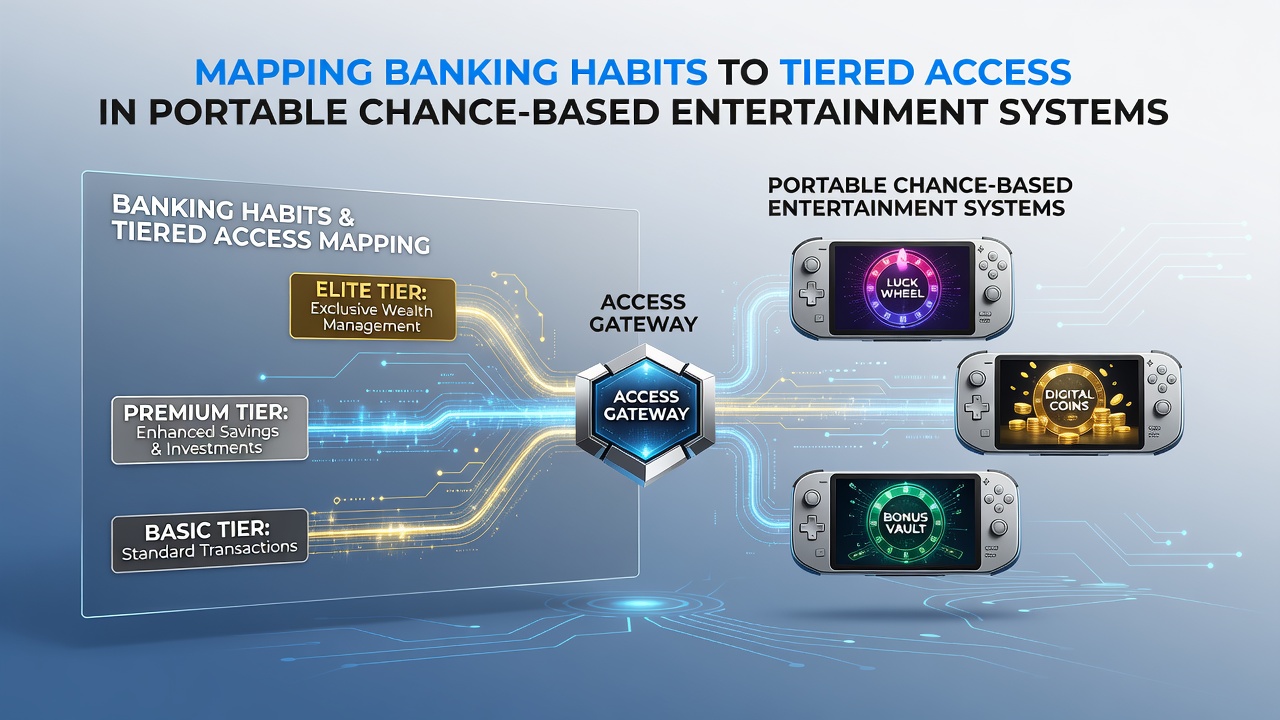
Portable chance-based entertainment systems now link banking patterns directly to access tiers on mobile devices, where deposit frequency, preferred payment methods, and transaction volumes shape the rewards and game options available to users. Operators track these habits through integrated apps that categorize participants into bronze, silver, gold, and platinum levels based on spending behavior and consistency over time, while data from October 2026 shows continued growth in e-wallet usage across North American and Asian markets.
Payment choices often determine initial tier placement because credit card deposits tend to trigger faster verification and higher starting limits compared with bank transfers or prepaid options, yet users who switch to digital wallets frequently accelerate their progression through loyalty structures. Research from the American Gaming Association indicates that mobile platforms process over 65 percent of transactions via e-wallets in major jurisdictions, and this shift correlates with increased access to exclusive reel formats and live dealer sessions.
Payment Methods and Tier Progression
Users who rely on recurring bank transfers build steady activity profiles that unlock mid-tier benefits such as reduced wagering requirements and priority entry to progressive jackpot pools, whereas sporadic credit card activity often keeps accounts in lower tiers with standard access only. Observers note that platforms adjust these mappings quarterly to reflect seasonal spending trends, and the result appears in customized interfaces that highlight tailored game selections once a user reaches a new level.
Those who combine multiple channels, for instance starting with debit cards before moving to cryptocurrency options, experience accelerated tier advancement because systems register diversified transaction histories as signs of sustained engagement. Figures from regulatory filings in several Canadian provinces reveal that mixed-method users advance 30 percent quicker than single-channel participants during the first six months of activity.
Regional Patterns in Banking and Access
European operators have refined these connections through standardized reporting requirements that emphasize transparent tier criteria tied to verifiable payment records, while Australian platforms emphasize real-time analytics that map wallet top-ups directly to portable session privileges. In October 2026 market updates highlighted expanded use of instant bank payments in both regions, which in turn expanded mid-tier availability for live table formats on mobile screens.
One study released by the Canadian Centre for Gaming Research examined transaction logs across 12 mobile operators and found that users favoring recurring e-wallet deposits secured specialized dealer sessions 22 percent more often than those using traditional cards alone. Platforms respond by adjusting access rules to reward consistent banking behavior rather than one-off large deposits.
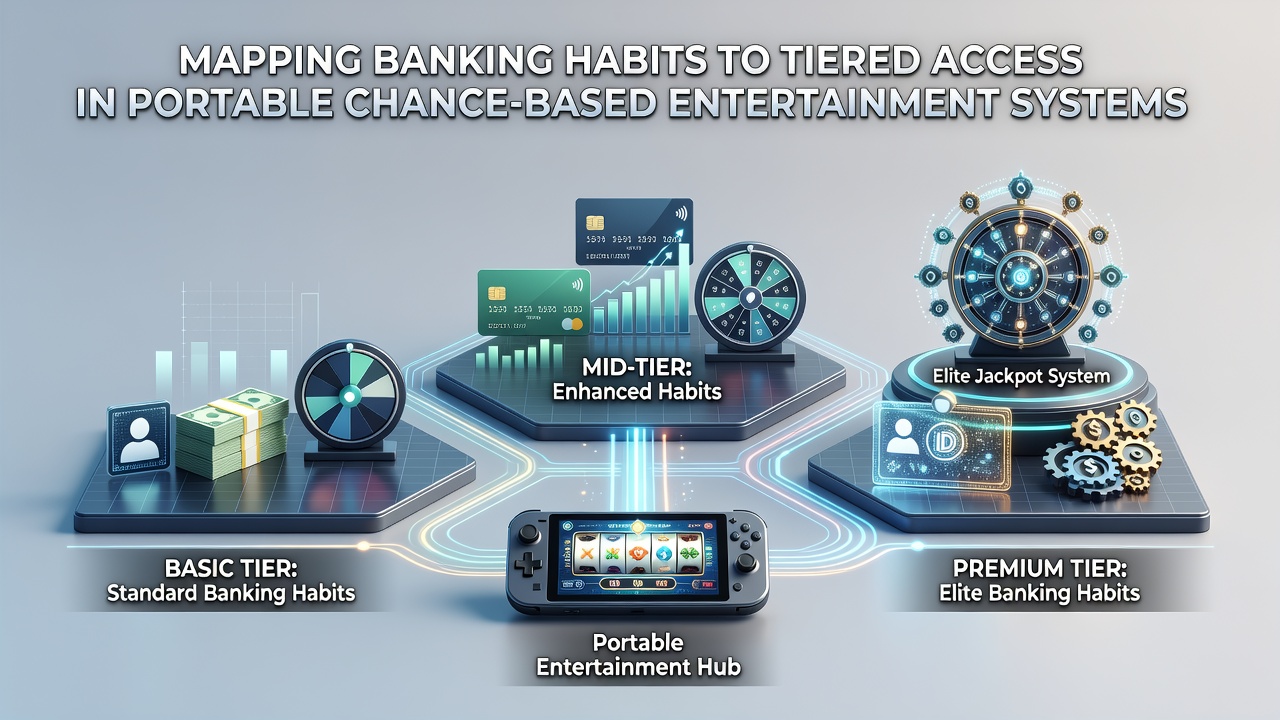
Asian markets demonstrate parallel developments where local banking apps integrate with entertainment platforms to streamline tier verification, and this integration often reduces the steps needed to reach premium live dealer rooms. Data collected through regional trade associations shows that October 2026 saw a measurable uptick in tiered access granted through these streamlined channels compared with the prior year.
Technical Mapping Mechanisms
Backend algorithms evaluate deposit velocity alongside method type to assign or upgrade tiers automatically, and the process incorporates security checks that verify source accounts before granting elevated privileges such as bonus bridges or private jackpot networks. Experts have observed that these systems flag irregular patterns to maintain compliance, yet they simultaneously reward predictable banking routines with immediate access improvements.
Portable applications display real-time tier status alongside suggested payment routes that align with upcoming benefit thresholds, which encourages users to align their habits with desired access levels. Industry reports document that such visual cues increase cross-method adoption rates within established user bases.
Future Adjustments and Compliance
Regulators continue to examine how banking data influences tiered structures to ensure fair allocation of portable entertainment options, and upcoming guidelines expected after October 2026 may require clearer disclosure of the criteria used for advancement. Operators already prepare by refining their mapping tools to separate banking history from game outcome data in compliance documentation.
Those who have studied transaction networks note that the connections between payment habits and access tiers remain fluid, with platforms testing new variables such as deposit timing and currency type to refine user segmentation further.
Conclusion
Mapping banking habits to tiered access continues to shape portable chance-based entertainment through measurable connections between payment behavior and available features, and October 2026 data confirms ongoing refinement of these systems across multiple regions. Operators and regulators alike maintain focus on transparent criteria that link transaction patterns to user privileges while supporting compliance standards in an expanding mobile landscape.